 FEDELCO, S.L.
FEDELCO, S.L.
C/ Lago Constanza, 46
28017 Madrid
Tel: 91 408 16 25
Fax: 91 408 16 90
10:00 - 13:30 horas
14:30 - 17:30 horas
de lunes a viernes.
K850 Critical Point Dryer
The K850 CPD with Thermoelectronic Heating & Adiabatic Cooling
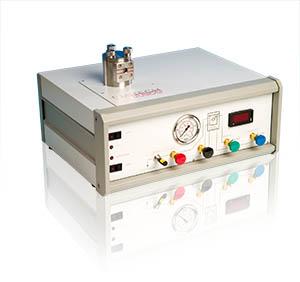
The K850 combines versatility and ease of operation. Built-in thermo-electric heating and adiabatic cooling allow precise temperature control. The vertical pressure chamber (32mm diameter x 47mm) has a side viewing port, which allows a clear view of the liquid meniscus during filling.
Key Features
- Vertical chamber with top filling and bottom draining
- Side viewing port - offers good visibility
- Built-in adiabatic cooling and thermoelectric heating - accurate temperature control
- Fine control needle valve pressure let down - precise control of decompression avoids potential damage to specimens by uncontrolled pressure release
- Built-in magnetic stirrer- enhanced solvent exchange
- Temperature monitoring and control with thermal cut-out protection
- Pressure monitoring with safety cut-out for over pressure
- Easy to operate valves - light finger pressure only is needed to open and close
- Safe operation - every K850 Critical Point Dryer is pressure tested to 2,500psi, fitted with a safety bursting disc and issued with a pressure certificate
- Three-year warranty
Specifications of the K850 CPD
- Instrument Case: 450mm W x 350mm D x 175mm H
- Weight: 12Kg
- Specimen Chamber: 32mm Dia x 47mm High Internal (Tested to 3000 psi)
- Temperature Gauge: 0 - 120oC
- Thermal Cut-Out: 40oC
- Pressure Gauge: 0 - 3000 psi
- Pressure Safety Cut Out: At 1700 psi
- Cooling/Heating: +5oC to +35oC
- 4 x On/Off Valves: Cool/Fill/Out/Bleed
- 1 x Needle Valve Letdown: Fine Bleed - (In Series With Bleed)
- Includes:: 1 x Specimen Holder Stainless Steel (12 compartments 8mm x 8mm) -10 x PTFE Pourous Specimen Pots (18mm x 14mm Pack 10)
- NOTE: Flow Guage Monitor option fitted externally in series with fine bleed.(0-2.2L/Min - CP03266-18)
- Services
- CO2: gas cylinder (local supply) high pressure hose for direct connection (included with Instrument)
- Electrical Supply: 230 Volts 50Hz (3 Amp max.)
Para información adicional de nuestros equipos, accesorios o productos llámenos al 91 408 16 25
o enviarnos un e-mail a :